
Short answer: This guide explains what New York home buyers should understand during a home inspection. It is not a repair estimate or engineering opinion, but it can help you recognize when a visible condition deserves follow-up.
Why the electrical panel matters
The electrical panel is one of the most important safety checkpoints in a home inspection. It distributes power through the home and can reveal overloaded circuits, outdated equipment, poor workmanship, missing labels, or conditions that should be reviewed by a licensed electrician.
Common visible panel concerns
Examples include double-tapped breakers, missing knockout covers, damaged wiring, rust or moisture staining, warm or scorched areas, unsafe open spaces, poor labeling, and older panels that may not meet modern usage needs. The inspection is visual and non-invasive, but it can identify issues that deserve further evaluation.
What buyers should ask before closing
Buyers should understand whether the panel appears properly labeled, whether capacity may be limited for future needs, and whether any visible defects require repair by a licensed electrician. This is especially useful for older New York homes, renovated properties, and homes with added appliances or EV charging plans.
How Homexpert reports it
Homexpert documents visible panel conditions with photos and plain-language explanations so buyers can discuss next steps with their agent, attorney, or electrician when needed.
Need a New York home inspection?
Homexpert provides home inspection services for buyers, sellers, and real estate professionals in Queens, Long Island, Westchester, Orange County, Rockland, Monroe, the Hudson Valley, and nearby New York areas.
What the inspector looks for at the panel
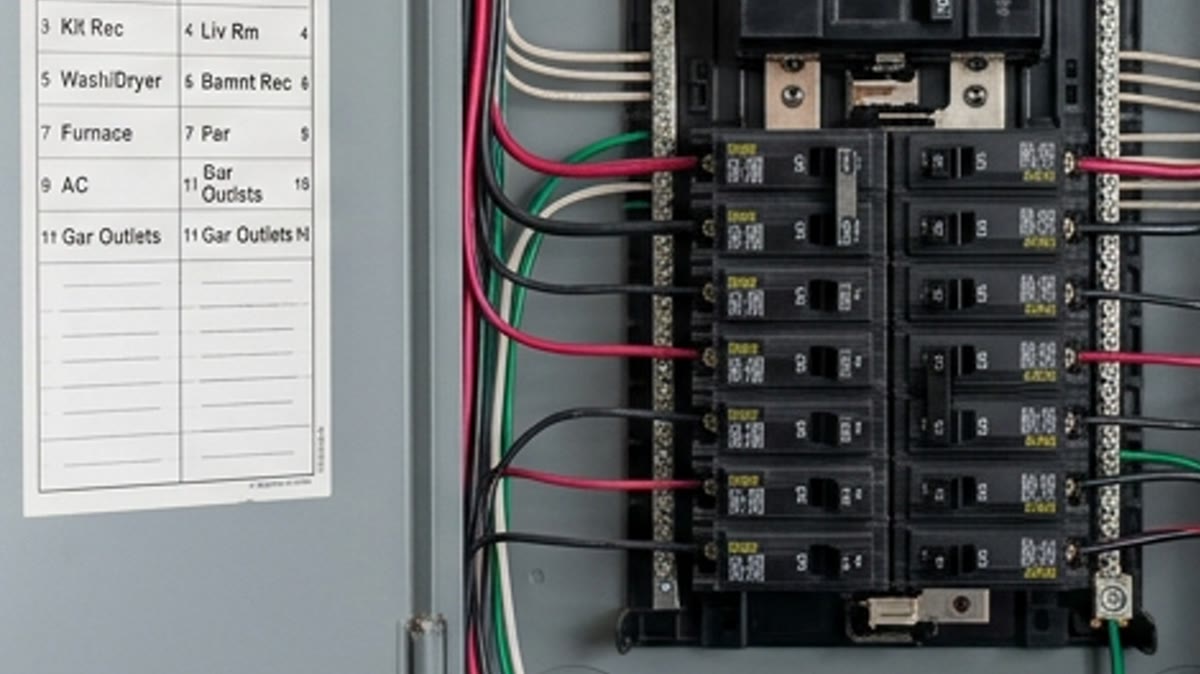
When the panel is safely accessible, the inspection may include the service rating, main disconnect, conductor condition, grounding and bonding observations, breaker compatibility, labeling, open knockouts, double-tapped conductors, overheating evidence, corrosion, and the general condition of the enclosure. The inspector also checks representative outlets and installed GFCI or AFCI protection where accessible.
Why access matters
Stored belongings, locked rooms, unsafe clearances, or panels concealed by finishes can limit the inspection. Buyers should ask that the panel and major electrical equipment remain accessible. An inspector does not dismantle concealed wiring or perform the same testing as a licensed electrician.
When further evaluation is appropriate
Evidence of overheating, damaged conductors, improper modifications, moisture, missing protection, or questions about capacity may warrant evaluation by a licensed electrician. Older equipment is not automatically defective, but its condition, installation, and compatibility matter.
Can a home inspection confirm that the entire system meets current code?
No. A home inspection is not a municipal code inspection. It identifies visible conditions and safety concerns within the inspection scope. A licensed electrician or local authority can address code compliance and repair design.
See what a New York home inspection covers or request an inspection.